


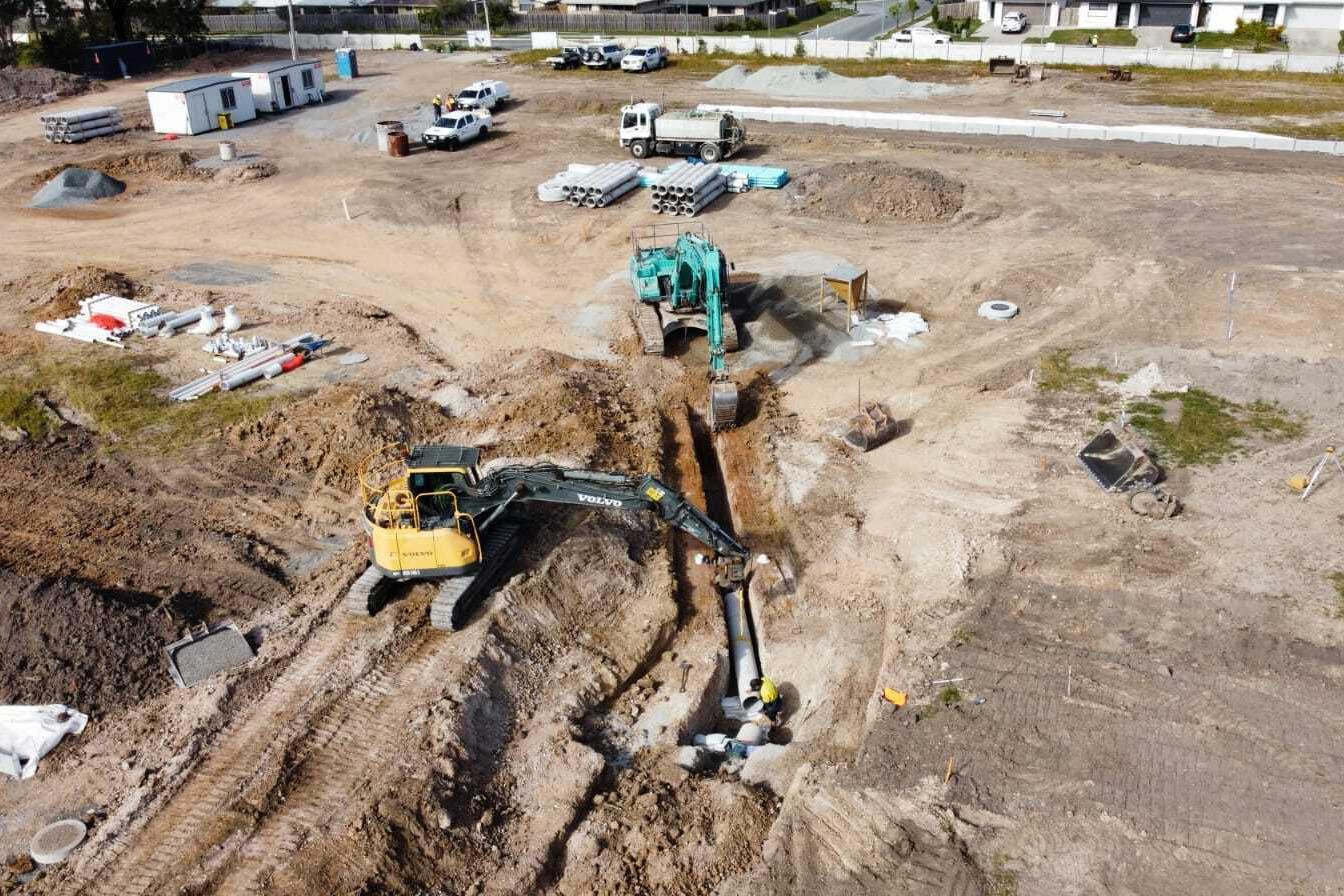
Figure 1: Civil construction underway – where unresolved design and project risks ultimately become real.
Variations are often described as an unavoidable part of construction. And while we’d never suggest a project can be completely variation-free (ultimately reducing our billable hours), many of the most costly variations don’t actually start on site.
They start months earlier during planning, design and project coordination.
Here are five of the most common.
- Incomplete Design Coordination
Civil, structural, electrical, hydraulic, landscape and authority designs may all work individually. The problems often appear where they meet.
Stormwater can conflict with utilities, retaining walls can impact service alignments, and changes to levels can create problems across multiple disciplines. Or, put more simply, everything can look perfectly coordinated until the stormwater pipe, retaining wall and electrical conduit all decide they want the same piece of real estate.
Once construction starts, resolving these clashes becomes considerably more expensive.
Bridging the gap: Multidisciplinary design coordination, constructability reviews and survey/ previous stage tie-in check to ensure the roads and services are aligned to the proposed works in both, a horizontal and vertical manner.
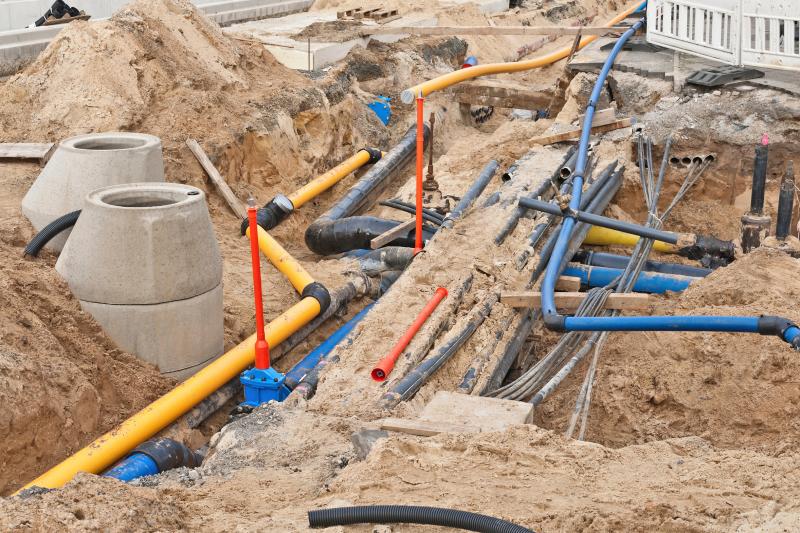
Figure 2: Design interfaces are considerably easier and cheaper to resolve before construction.
- Constructability Considered Too Late
A design can be technically compliant and still leave the contractor wondering:
“How exactly are we supposed to build that?”
Access, staging, temporary works, plant requirements and construction sequencing can fundamentally change how a design is delivered. When these considerations aren’t addressed until after contract award, alternative methodologies and additional works can quickly become variations.
Bridging the gap: Bring practical construction thinking into design development – not after the contractor arrives on site.
- Incomplete Site Information
Unexpected ground conditions, undocumented services, contamination, groundwater and inaccurate survey information are all common sources of variations.
And as anyone involved in earthworks knows, the ground unfortunately has never read the geotechnical report.
Unforeseen conditions can’t be eliminated entirely, but appropriate investigations can significantly reduce the uncertainty carried into construction.
Bridging the gap: Invest in targeted investigations early and ensure the findings are actually incorporated into the design and tender documentation.
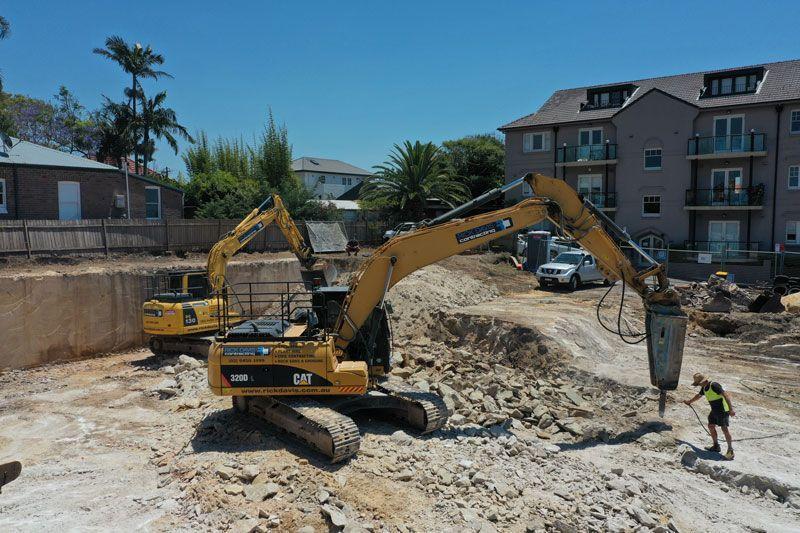
Figure 3: Early site investigations help reduce the uncertainty carried into design, procurement and construction.
- Unresolved Authority Requirements
Council, utility providers, road authorities and other stakeholders can introduce requirements that affect design, staging, access and construction methodology.
If these requirements aren’t understood until after procurement or construction begins, the result can be redesign, resequencing and additional cost. An approval shown as a line on a programme isn’t necessarily an approval that has been properly resolved.
Bridging the gap: Understand authority requirements early and integrate them into the design and delivery strategy before construction commences. Review out of Scope or In-scope BPA requirements early.
- Going to Tender Too Early
There is always pressure to get a project to market.
Going to tender early might make the programme look healthier — at least on paper. The construction programme may have other ideas.
Incomplete documentation forces contractors to make assumptions, qualify their pricing or carry contingencies for unresolved risks. Issuing an incomplete design doesn’t make the uncertainty disappear. It simply gives someone an opportunity to put a price on it.
Bridging the gap: Before going to tender, ask whether the project is genuinely ready – not simply whether the tender date has arrived. Where documentation is incomplete, contractors are forced to make assumptions that may ultimately form part of the developer’s project budget and funding. If those assumptions don’t reflect what is actually required, the difference can quickly become a variation during construction.
Closing the Gap
Variations will never disappear entirely — and we’re certainly not brave enough to promise a variation-free construction project. But there is a difference between an unavoidable variation and one that could have been prevented through better planning, coordination and construction thinking.
Many issues that become expensive during construction are relatively inexpensive to resolve during design. The challenge is identifying them early enough.
At Renvi Group, we believe the most valuable problems are often the ones solved before they reach site.
Because finding a problem on a drawing is inconvenient. Finding the same problem with an excavator sitting beside it is expensive.